

Key Takeaways
- 20/20 vision means you see at 20 feet what a person with typical vision sees at 20 feet.
- A larger bottom number in your score means your distance vision is less sharp.
- Color vision, side vision, eye alignment, and near focus also shape how you see.
- Glasses, contacts, and laser eye surgery can help bring your vision closer to 20/20.
- Regular eye exams help catch vision changes early.
You’ve probably heard “20/20” at a school vision screening or the DMV counter and wondered what those numbers say about your eyes. People at The Eye Avenue ask about them all the time.
20/20 vision means you can read at 20 feet what a person with typical eyesight reads at 20 feet, which puts your distance vision in the normal range. Your score is one part of a comprehensive eye exam, where your optometrist also checks your eye health and how well your eyes work together.
What the Numbers in 20/20 Vision Stand For
The 2 numbers describe your visual acuity, or how clearly you see details at a distance. Your optometrist measures it with a Snellen eye chart, which has one large letter at the top and rows of smaller letters below.
The top number is your distance from the chart, which is usually 20 feet. Shorter exam rooms use mirrors to create the same viewing distance.
The bottom number is how far away a person with typical vision could stand and still read the smallest line you can read. Many countries use meters, so 6/6 is the metric version of 20/20.
How Does 20/20 Compare to 20/15, 20/40, and Other Scores?
Your optometrist records a score for each eye, and it can land above or below 20/20. With 20/15 vision, you see at 20 feet what a person with average vision sees at 15 feet. Your distance vision is sharper than average. This also shows 20/20 is normal, not the top of the scale.
As the bottom number grows, your distance vision gets less sharp. If you have 20/40 vision, you need to stand at 20 feet to read a line someone with typical vision can read from 40 feet away. Most states require 20/40 or better for a driver’s license without restrictions.
What 20/200 Vision Means for Driving
Legal blindness often means 20/200 or worse, well below the line many states use for driving though definitions vary between countries and organizations. These scores are based on your vision with glasses or contacts on.
What Else Matters Besides 20/20 Vision?
The score from your chart only covers distance vision. Your optometrist also checks other parts of your vision, including:
- Color vision, which helps you tell a red light from a green one
- Night vision, which helps you see the road after dark
- Eye alignment, which lets your eyes work as a team for depth perception
- Peripheral, or side, vision, which helps you notice a cyclist beside your car
Can You Have 20/20 Vision and Still Need Reading Glasses?
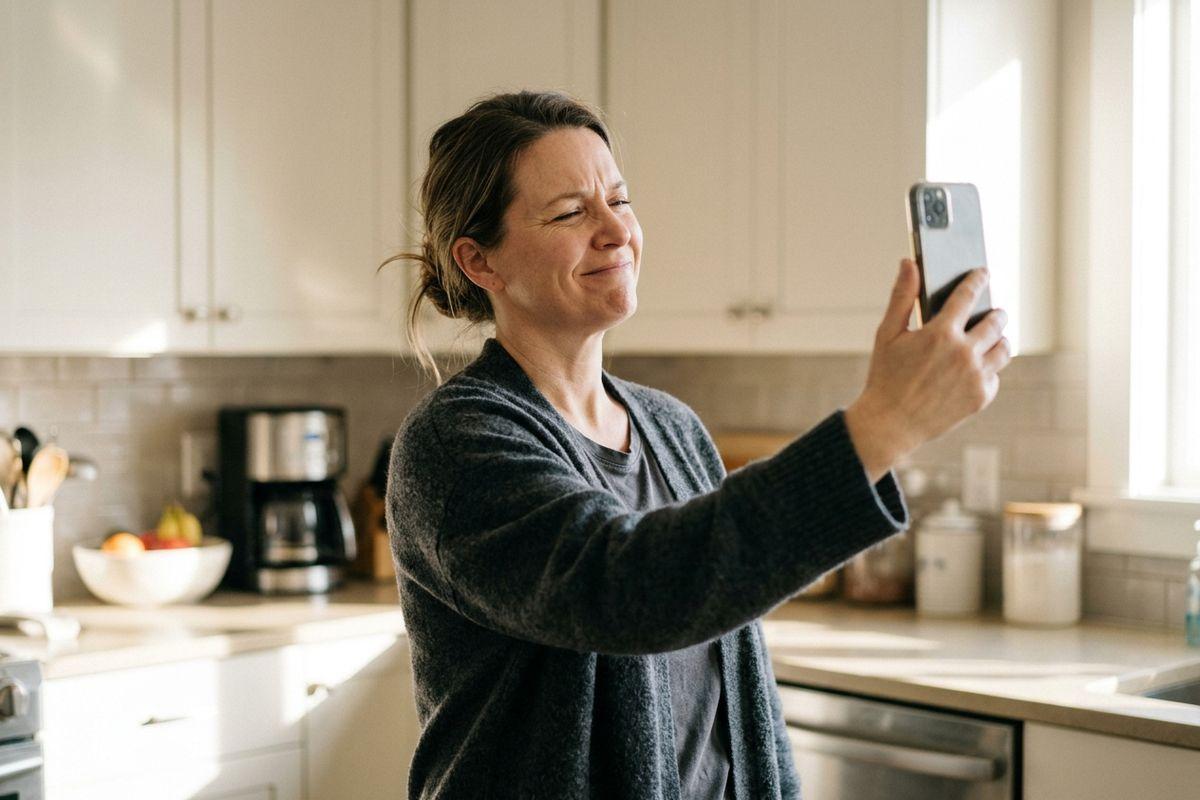
You can have 20/20 distance vision and still need to hold your phone at arm’s length to read a text. That’s often a sign of presbyopia, a normal age-related change that makes it harder to focus up close. It usually starts in your 40s.
Reading glasses or bifocals can help menus and screens look clear again. If you already wear glasses for distance, ask about multifocal lenses, which can handle near and far vision in one pair.
Why Vision Drops Below 20/20 and How to Correct It
Common Reasons for Blurry Vision
Several common eye conditions can lower your score, including:
- Myopia, or nearsightedness, which makes road signs and other faraway things look blurry while close objects stay clear
- Hyperopia, or farsightedness, which can make reading and other close-up tasks look blurry
- Astigmatism, which happens when the cornea or lens is curved unevenly and can cause blurriness at any distance
- Cataracts, which cloud the eye’s natural lens and can make vision look hazy or dim
Ways to Bring Your Vision Closer to 20/20
Only about 35% of adults have 20/20 vision without correction, so you have plenty of company. Glasses and contact lenses are simple options, and our in-house optical carries a range of frame and sunglass brands for you to try on.
You might also look into laser eye surgery, like LASIK or photorefractive keratectomy (PRK), which can reduce your need for glasses or contacts. An ophthalmologist, a medical eye doctor who’s also a surgeon, performs these procedures. Start with a consultation to see whether you’re a good candidate.
How Often to Get Your Vision Checked
Kids don’t need to read to get their eyes checked, since your optometrist can use charts with pictures or symbols in place of letters. Some kids lose their 20/20 vision around age 8 or 9 as they become nearsighted. Regular children’s eye exams can help your optometrist spot changes before schoolwork gets harder.
Many adults benefit from an eye exam every 1 to 2 years. Plan for a baseline eye exam at 40, too. It gives your optometrist a record to compare as your eyes change.
If you have diabetes or high blood pressure, your optometrist can suggest an exam schedule that fits your needs.
Signs Your Vision Is Changing
Vision changes often happen gradually, so book a visit if you notice any of these:
- Road signs look blurry when you’re driving.
- Your eyes feel strained after time on a screen.
- Small print up close looks fuzzy.
- Seeing at night is getting harder.
- You get headaches after reading or using a computer.
Book an Eye Exam That Looks Beyond 20/20
Knowing your 20/20 score is a helpful start. A full eye exam can also check your near vision and look for early signs of eye disease.
The team at The Eye Avenue sees patients of all ages and takes the time to understand how your vision fits into your everyday life. Book your next eye exam through our online appointment portal today!