Adult & Senior Eye Exams in Oviedo, FL

Book Appointment

Primary Eye Care From a Team You Can Trust

Whether or not you have healthy eyes and good vision, the American Optometric Association (AOA) recommends that adults and seniors have an eye exam every 1 to 2 years as part of their regular preventative healthcare measures. Not only will regular eye exams determine if you need corrective lenses, but they are essential to catching more serious problems that can lead to vision loss later in life.

Our skilled team of eye care professionals care about your eye health and work directly with you to help keep your eyes strong and healthy throughout your life.

Are Regular Eye Exams Really That Important?

Even if you have 20/20 vision, there are several factors that should be considered when determining how often you need an eye exam, such as your age, general health, and whether you’re considered low or high risk for any potential eye diseases or conditions.

You may be considered at risk if:

If you’ve had refractive surgery, such as LASIK or PRK, you will still need to see your optometrist every 1 to 2 years to monitor your eye health.

If you’re over the age of 65, it is important to have your eyes checked annually to catch eye conditions that become more common with age, such as cataracts, glaucoma, diabetic eye disease, and age-related macular degeneration.

By following a consistent eye exam schedule with an optometrist you trust, you can maintain good eye health and catch potential problems before they threaten your vision.

What Is Involved in an Eye Exam?

Eye exams involve tests that determine how clear your vision is and check for eye diseases. A comprehensive eye exam includes a conversation about your personal and family history along with a discussion about all prescription medications you’re on and whether or not you currently wear corrective eyewear, like glasses or contacts. This discussion will help your optometrist assess whether you are high-risk or low risk and customize your exam to your specific needs.

Once your optometrist has a clear understanding of your history and requirements, they will:

  • Check your visual acuity and determine if you need corrective lenses
  • Look at your pupillary response to light, eye movement, and internal eye pressure
  • Check the health of your eyelids, lenses, corneas, and irises, the retina, and optic nerve, to look for signs and symptoms of more serious issues.

Your optometrist will also evaluate your depth perception, peripheral vision, and color vision.

After all tests have been completed, your optometrist will determine your prescription and recommend when you should return for your next appointment, and provide you with any treatment plans for other issues that you should follow. If you’re looking for a new pair of glasses or contact lenses, we have a skilled and certified optician who can help you to find something that suits your lifestyle and personality.

If you are looking for a valuable and competent optometry team to have on your side, please call us today and book your next appointment.

We’re Looking Forward to Seeing You!

We’re conveniently located in the Strand offices between VAMPD and Pure Barre.

Our Address

935 Oviedo Blvd #1007
Oviedo, FL 32765

Contact Information

Phone: (407) 720-9968
Fax: (407) 845-9368
[email protected]

Hours

Monday
10 AM – 6 PM
Tuesday
10 AM – 6 PM
Wednesday
10 AM – 6 PM
Thursday
10 AM – 6 PM
Friday
10 AM – 6 PM
Weekends
Closed

See Our Google Reviews

See Our Reviews

Check Us Out On Instagram

What Does 20/20 Vision Mean?

Eye ExamsEye Health

Learn what 20/20 vision means, how scores like 20/15 and 20/40 compare, and what else your optometrist checks during an eye exam. […]

Read More…

November 4, 2026
Dr. John Tran

Does Myopia Get Worse With Age?

Eye HealthMyopia

myopia often progresses during childhood and stabilizes in early adulthood, but other age-related vision changes can still occur later in life. […]

Read More…

November 4, 2026
Dr. John Tran

Is Glaucoma Hereditary?

Eye Conditions

While several factors contribute to its development, your family’s health history can play a part in your risk of developing glaucoma. […]

Read More…

November 4, 2026
Dr. Regina Tran
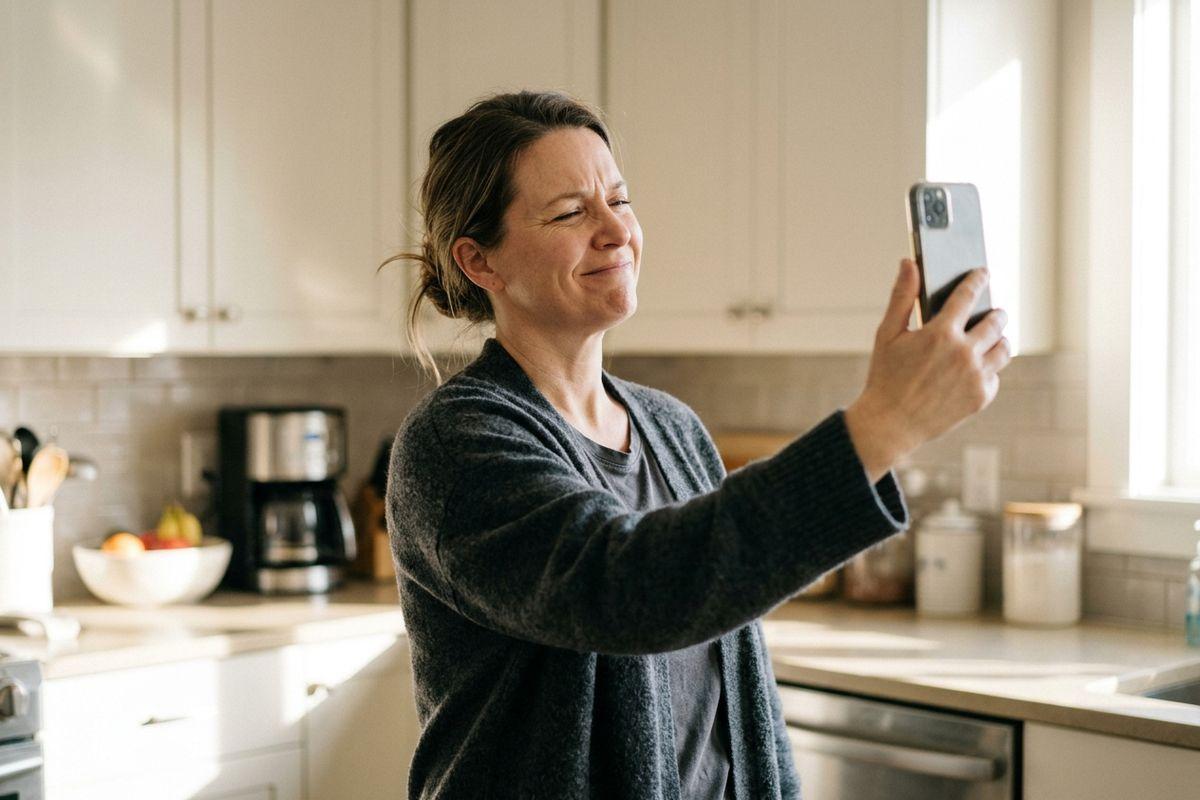
Adult squinting with a wry grimace while holding a smartphone at arm's length in a sunlit kitchen with white cabinets

Learn what 20/20 vision means, how scores like 20/15 and 20/40 compare, and what else your optometrist checks during an eye exam. […]

Read More…

Child looks to the side while wearing glasses and smiles at her reflection

myopia often progresses during childhood and stabilizes in early adulthood, but other age-related vision changes can still occur later in life. […]

Read More…

A family surrounds one senior family member and all are joyous

While several factors contribute to its development, your family’s health history can play a part in your risk of developing glaucoma. […]

Read More…

instagram facebook facebook2 pinterest twitter X google-plus google linkedin2 yelp youtube phone location calendar share2 link star-full star star-half chevron-right chevron-left chevron-down chevron-up envelope fax